
Do you know which fabrics and knits are truly eco-friendly?
The book covers 19 materials: from natural fibres such as hemp and jute to new ones such as mushroom leather and fabrics made from citrus.
#sustainabletextiles #veganmaterials
Author: Ewa Polkowska Editor: Magdalena Płonka
A practical guide to eco-friendly and vegan textiles
You don’t have to be a designer to see why the choice of fabric matters. Find out which textiles are kind to the planet and to animals, and how to put them to use. You will also meet the producers you can buy eco-friendly fabrics from.
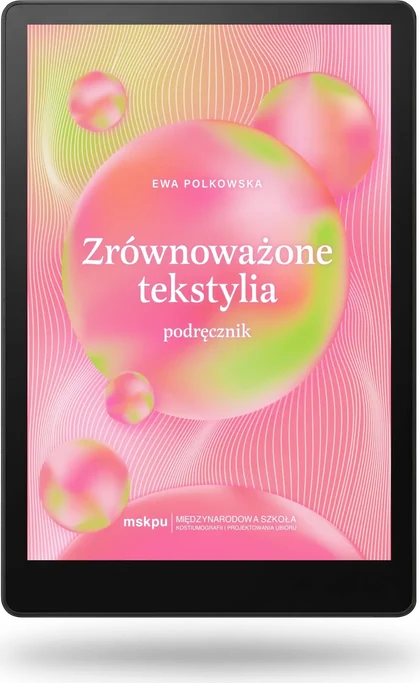
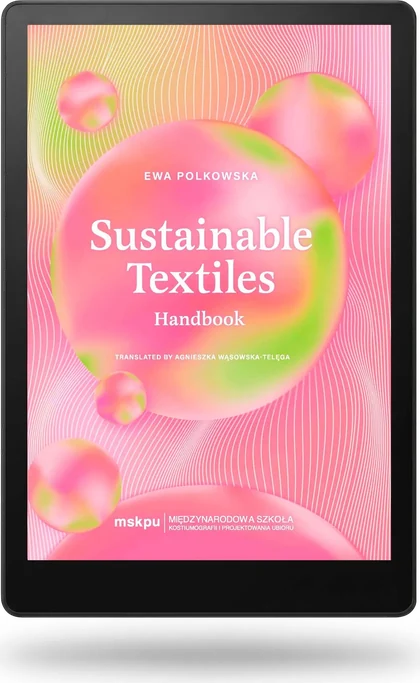
Written in plain language. Some of the advice comes straight from the companies that make the materials.
The book covers 19 materials: from natural fibres such as hemp and jute to new ones such as mushroom leather and fabrics made from citrus.
#sustainabletextiles #veganmaterials
The key ones are GOTS (Global Organic Textile Standard), OEKO-TEX® and Fair Trade. You will learn how to tell genuinely eco-friendly textiles from the rest.
#ecocertification #gots #oekotex
Look at the whole life cycle of a fabric, not just the raw material. The book walks you through production and the life cycle of textiles, so you see how they are made and what they cost the environment.
#textilelifecycle #environmentalimpact #LCAtextiles
Start with the material and its producer. The book gives practical advice for designers and manufacturers, with information straight from the companies that make each material.
#sustainablefashion #ecofabrics
Biodegradable dyes, zero-waste methods, regenerated fabrics and textile recycling, among others. All of them support sustainable development.
#zerowaste #biodegradation
Overproduction, the need for responsible consumption and teaching customers to choose better, eco-friendly and vegan clothing materials.
#choosebetter #responsibleconsumption
Each chapter describes a material and how it is made, and most also cover use and care. The book also tells you what each material can replace.
Alternatives to:
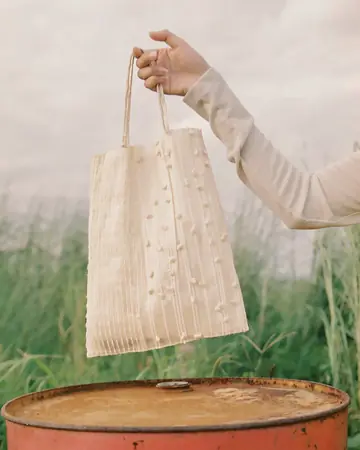
natural plant fibre, also known as Manila hemp
Alternative to jute and sisal
Photo: Ancán, Geric Cruz
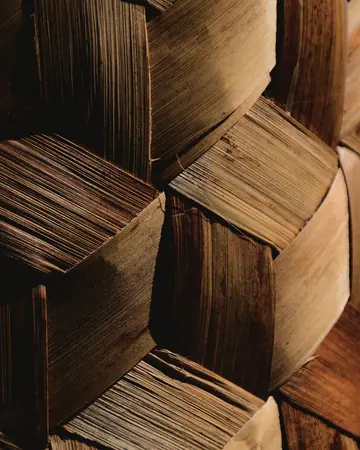
artificial fibre from a natural raw material, the bamboo plant
Instead of cotton, viscose and cashmere
Photo: Unsplash, Courtney Smith

regenerated fibre from a cellulose by-product of cotton production
Instead of silk
Photo: surf.inc, Dorota Szulc
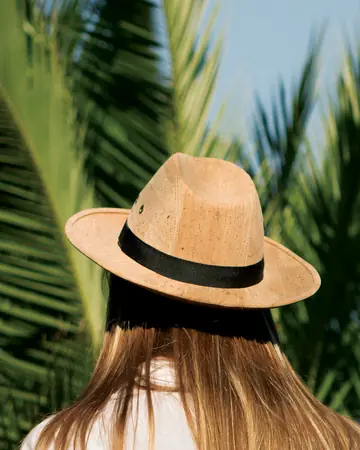
material from the bark of the cork oak
Instead of animal leather
Photo: Portugaliacork S.A.

natural bast fibre from the plant stem
Substitutes: linen, ramie, bamboo
Photo: Hemp Clothing Australia, Dimitra Koriozos
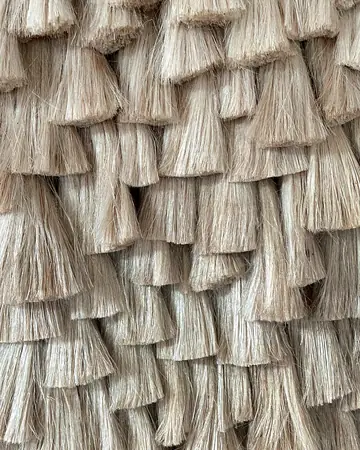
natural bast fibre, called the golden fibre
Substitutes: abacá and sisal
Photo: Unsplash, Jannet Serhan

natural plant fibre from common flax
Substitutes: jute, hemp, ramie
Photo: Magdalena Karsznia, Lena Krzepina

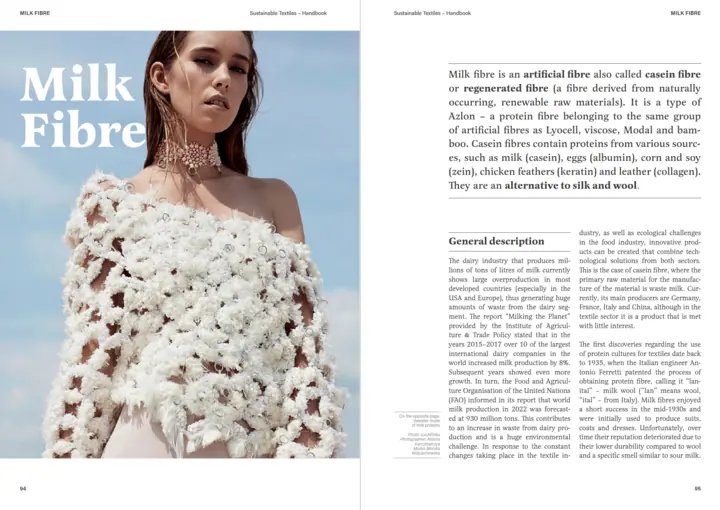
artificial protein fibre made from casein
Instead of silk and wool
Photo: cocAEmka, Aldona Karczmarczyk

second-generation artificial fibre from beech cellulose
Instead of cotton and silk
Photo: SWOBODYwear, Monika Osińska

acetate fibre from pine and eucalyptus wood pulp
Instead of silk, viscose and polyester
Photo: RESERVED
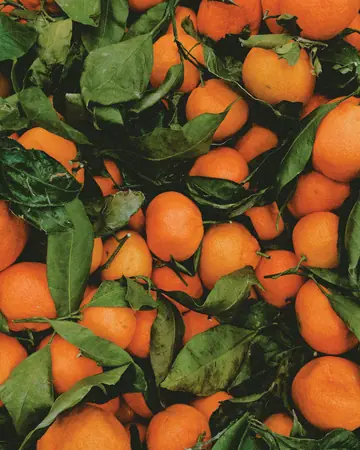
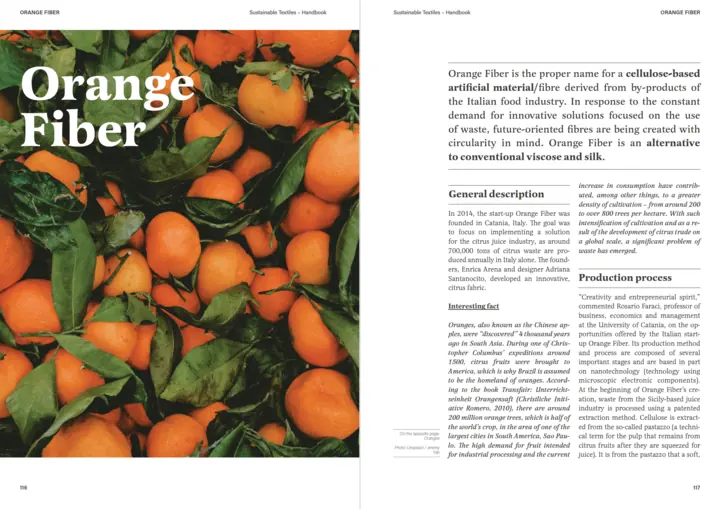
cellulose fibre from Italian citrus industry waste
Instead of viscose and silk
Photo: Unsplash, Jeremy Yap
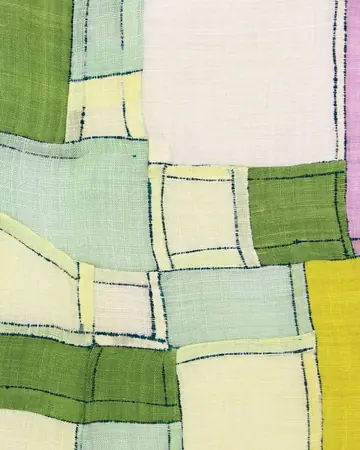
natural plant fibre from the stem, known as China grass
Instead of cotton and silk
Photo: Adobe Stock, NoonBusin
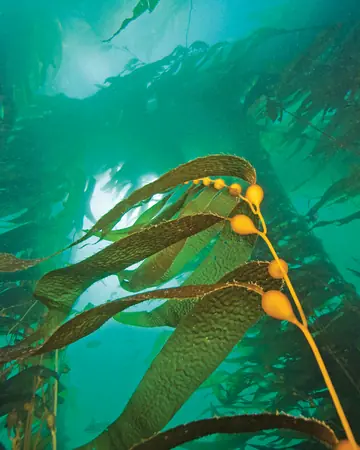
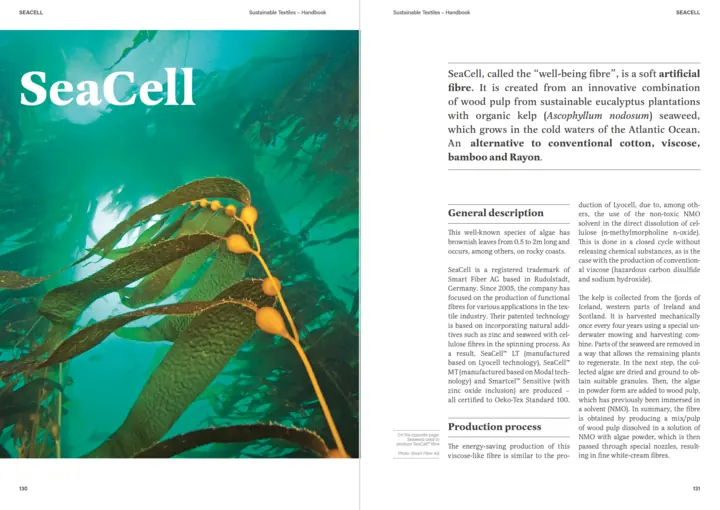
soft fibre made of eucalyptus pulp and seaweed
Instead of cotton, viscose and bamboo
Photo: Smart Fiber AG
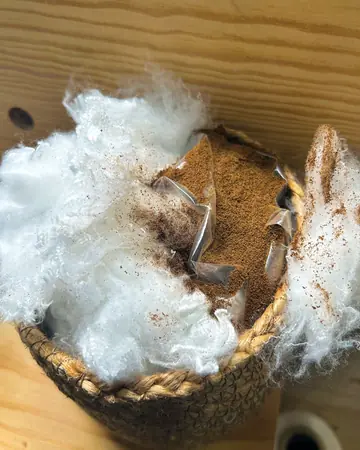
fibre made of used coffee grounds combined with polyester
Instead of polyester, nylon and down
Photo: the producer
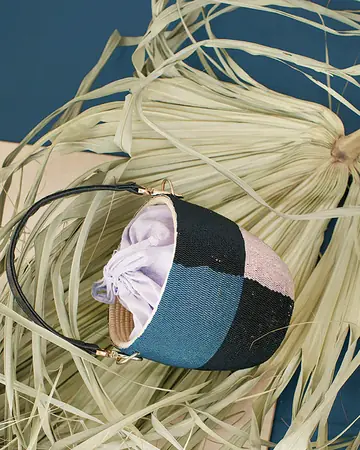
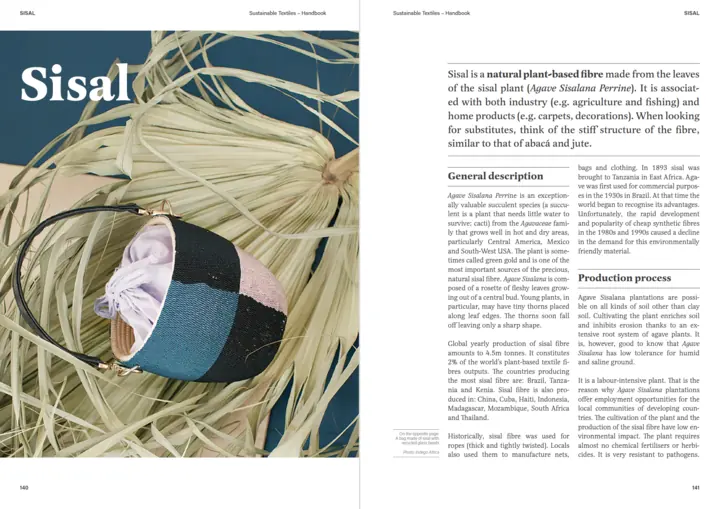
natural fibre from the leaves of the sisal agave
Substitutes: abacá and jute
Photo: Indego Africa

PTT polymer fibre made by fermenting glucose from corn
Instead of polyester, nylon, acrylic and down
Photo: NOTRACE, Albert Pabjanek

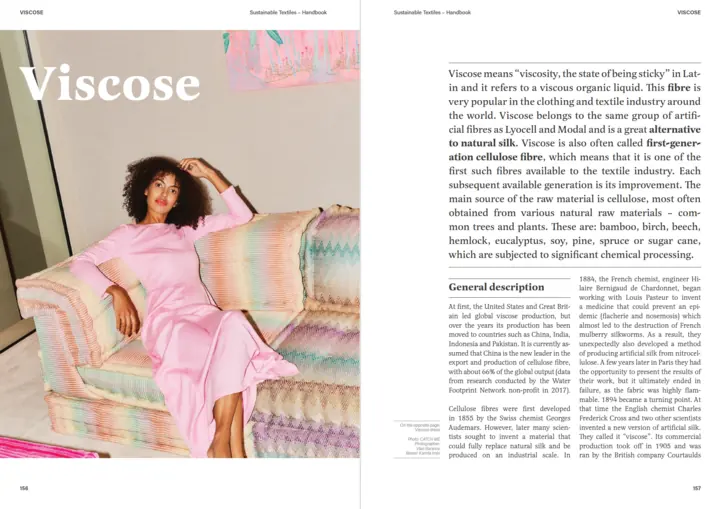
first-generation cellulose fibre
Instead of silk
Photo: CATCH ME, Vlad Baranov

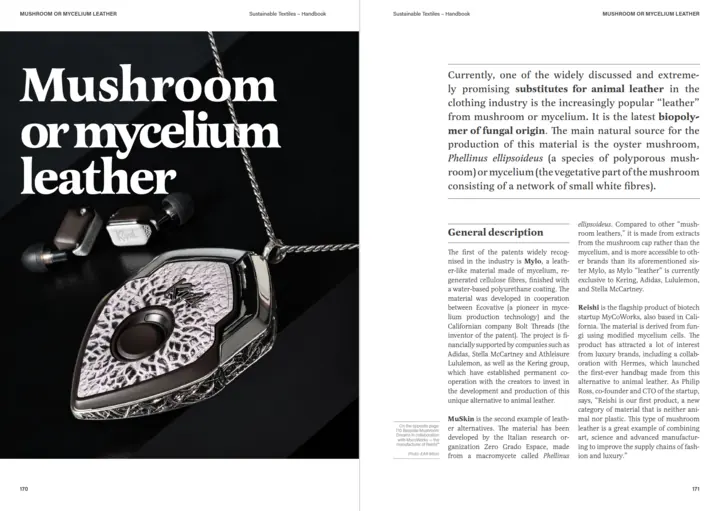
biopolymer of fungal origin, also called mycelium leather
Instead of animal leather
Photo: EAR Micro
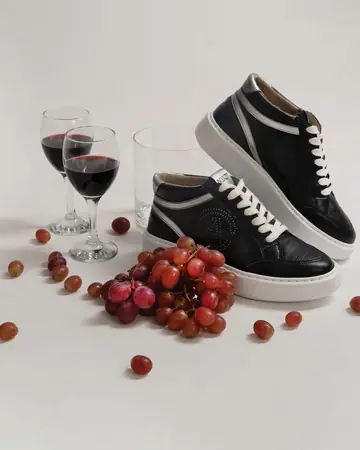
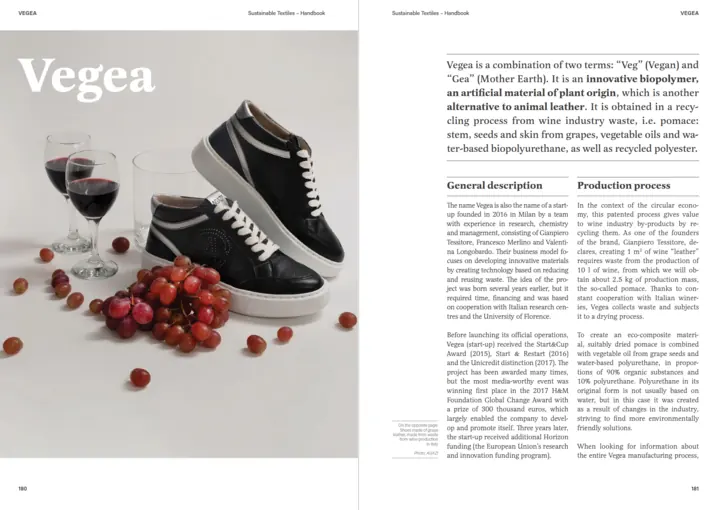
biopolymer from wine industry waste
Instead of animal leather
Photo: AGAZI
One aim of the book is to expose the greenwashing around natural materials: cotton, wool, silk and leather. The authors compare materials using life cycle assessment (LCA) and the Higg Index.
An example from the introduction: producing 1 kg of cotton can take up to 20,000 litres of water. Yet a biodegradable material is not harmless either, because every production process burdens the ecosystem.
We only have one Earth. There is no fashion on a dead planet.
Each material opens with a large photo, followed by a description, the production process and interesting facts. Below are spreads from the English edition.
looking for knowledge about sustainable materials and trends in eco fashion
who want to learn about new eco knits and certification processes
who want to know how to choose eco fabrics and buy clothes consciously
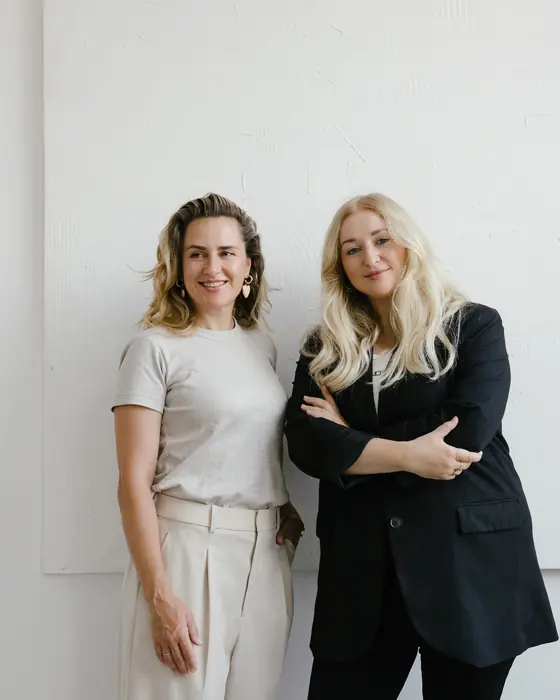
Two recognised experts in sustainable fashion.
Graduate of Design School Kolding in Denmark and lecturer in materials science at MSKPU. Co-founder of the Sustainable Fashion Institute and SUPPtrail, a supply chain management platform. She specialises in innovative materials and production practices that take environmental responsibility into account.
Graduate of IADE Creative University in Portugal, director of MSKPU, CSR lecturer and Dean of the Faculty of Science and Art at AEH in Warsaw. Founder of the Responsible Fashion Awards and a court-appointed expert in design and costume design, working for an ethical approach to fashion.

Agnieszka Wąsowska-Telęga translation

Christina Bifano copy-editing
Graphic design, cover and typesetting: Karolina Sikorska.
The book is available as an e-book, in English and in Polish.
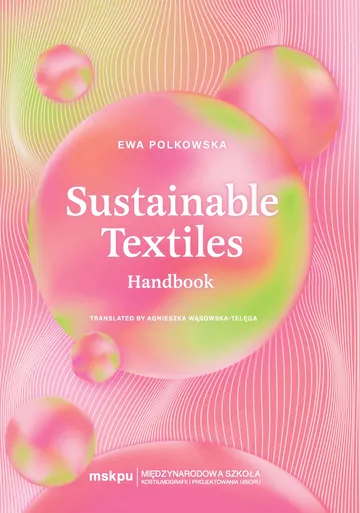
E-book, English edition
Ewa Polkowska, translated by Agnieszka Wąsowska-Telęga
PDF, PLN 97 (EUR 22.13)
Buy the English e-book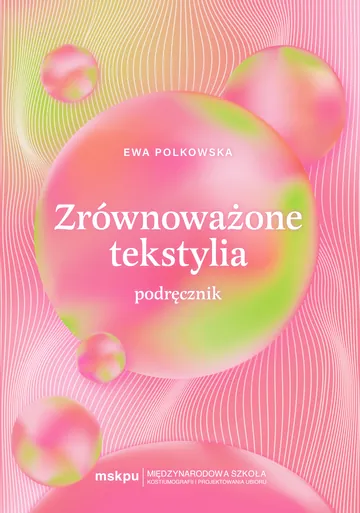
E-book, wydanie polskie
Ewa Polkowska, redakcja Magdalena Płonka
PDF, PLN 97
Kup e-book PLWrite to MSKPU, the publisher.
shop@mskpu.plE-book EN and PL
Choose edition